

Frequently Asked Questions About Maintenance
Enjoy the peace of mind that Glass Co Metro guarantees its products against defects arising from faulty workmanship or materials for six years from date of delivery or installation, subject to the conditions and limitations below.
Product Care & Maintenance
How often should I clean my windows and doors?
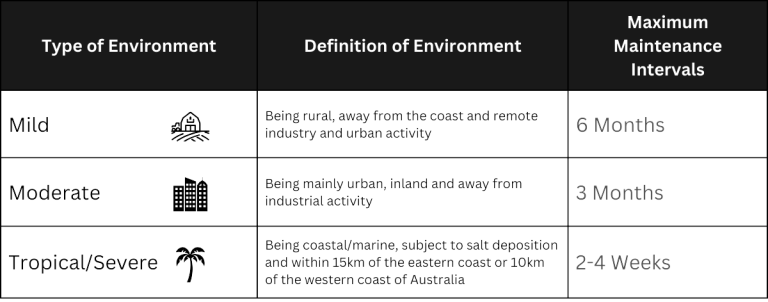
We generally suggest cleaning every 3–6 months, depending on your home’s environment. Regular cleaning protects finishes and prevents wear on moving parts.
If your home is near the coast, major industrial zones or high-traffic roads, we suggest cleaning monthly to prevent salt or grime build-up.
See the table below to help determine what is best for your home.
What cleaning products are safe to use on my windows and doors?
What cleaning products are safe to use on my windows and doors?
- Safe: Mild detergent, warm water, soft cloth or sponge.
- Avoid: Abrasive cleaners, bleach, ammonia, high-pressure hoses, harsh chemicals.
- These products damage glass, powder-coating, and hardware finishes.
How do I clean powder-coated aluminium frames?
How do I clean powder-coated aluminium frames?
Use a non-abrasive, mild detergent solution mixed with warm water.
Wipe with a soft cloth, then rinse thoroughly to remove residue.
In coastal/industrial areas: clean monthly to protect the coating.
How do I clean standard window and door glass?
How do I clean standard window and door glass?
Use clean water and a soft cloth without buttons or grit.
A small amount of mild detergent can help.
Never use abrasive cleaners or scrubbers.
Always rinse well after using detergent to avoid residue or streaks.
How do I clean showerscreen glass and mirrors?
How do I clean showerscreen glass and mirrors?
Clean weekly to prevent permanent soap etching.
Use a clean, soft cloth with diluted methylated spirits or a spray glass cleaner.
Immediately remove excess cleaner with a squeegee and clean water.
Never use abrasive pads.
Ensure glass has proper buffer clearance to avoid damage.
How do I clean insect or safety screens?
How do I clean insect or safety screens?
Clean 3–4 times per year.
Remove screen; hose thoroughly.
Brush gently using a soft nylon brush and mild detergent.
Hose off again and let dry before reinstalling.
How do I clean acid-etched or translucent laminated glass?
- Use safe cleaning methods
- Clean with plenty of water and a soft sponge.
- You may use an alcohol-based glass cleaner.
- Always clean the entire surface to avoid halo marks.
- Avoid harsh materials
- Do not use razor blades, steel wool, abrasive pads, or harsh scourers.
- Rinse and dry properly
- Rinse with clean water and dry with lint-free cloths.
- Avoid dry or dirty cloths that can scratch the surface.
- For stubborn dirt, a high-pressure water cleaner heated to 30°C can be used.
- Avoid chemicals containing hydrofluoric acid, chlorine, ammonia, or strong alkaline cleaners.
Tracks, Rollers & Screens
What should I do if my sliding door or window is hard to open?
What should I do if my sliding door or window is hard to open?
Check for debris
- Dirt or sand in tracks causes friction. Vacuum or brush it out.
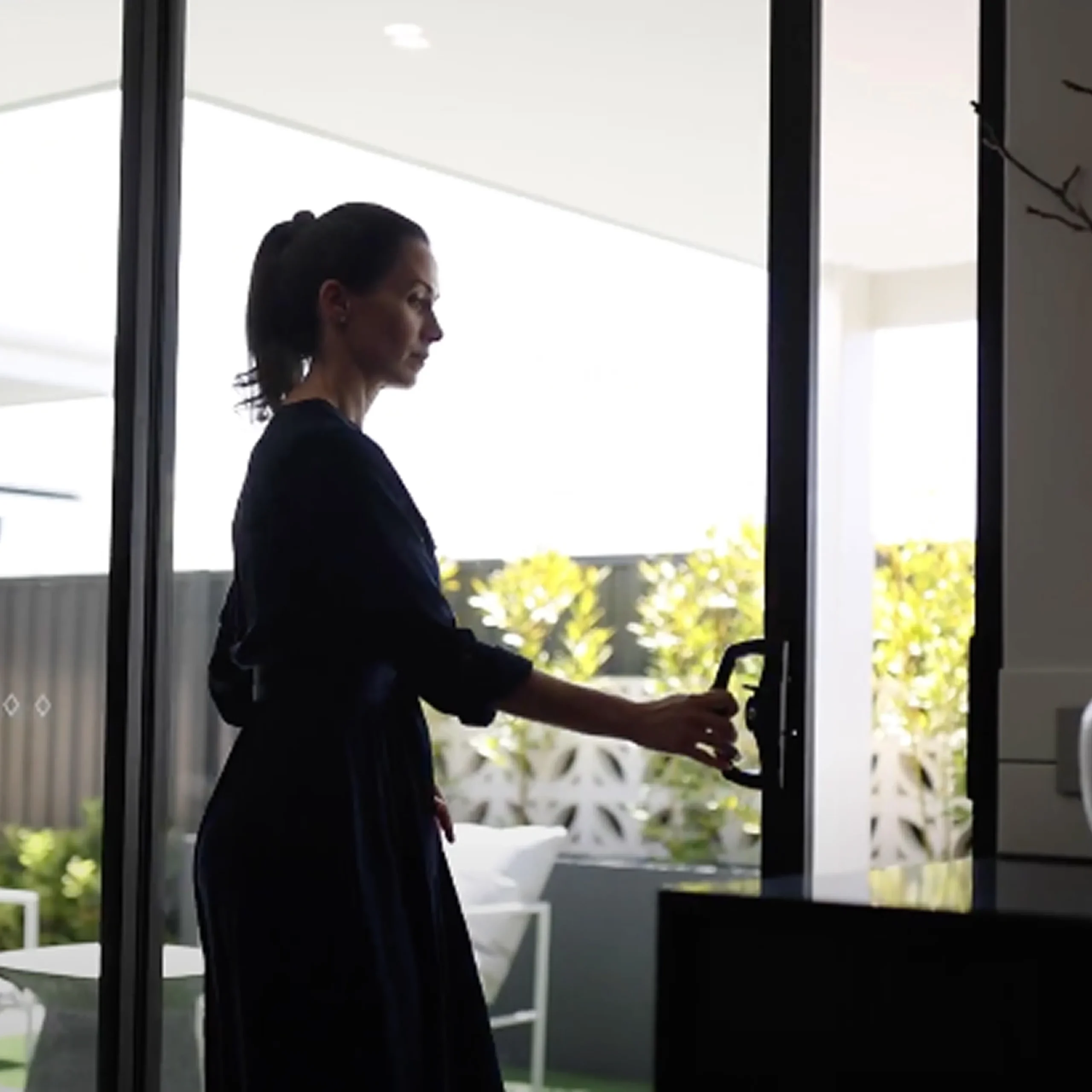
Clean and lubricate
- Wipe tracks with warm water and mild detergent.
- Use silicone spray only (not oil).
Inspect rollers
- Worn rollers may need adjustment or replacement by a technician.
How do I maintain rollers on sliding doors and windows?
How do I maintain rollers on sliding doors and windows?
Clean tracks and rollers 3–4 times per year.
Remove the panel from inside the home (lift into head, tilt outward).
Vacuum the track thoroughly using a narrow nozzle.
Wipe track and rollers with water + mild detergent.
Do not use abrasive cleaners.
How do I maintain window, door, and wardrobe tracks?
How do I maintain window, door, and wardrobe tracks?
Keep tracks clean and drainage holes clear.
- Excess dirt or grit should be removed from window, door and wardrobe tracks and drainage holes, either by vacuuming or brushing out.

Windows/doors are designed to take water into the track then drain through weep holes.
- Keep weep holes free of obstruction to prevent leaks or pooling.
Keep your wardrobe rollers within the track
- By keeping the track clean and free of debris and ensuring that the rollers are within the track correctly, you will boost your product’s longevity and stop the doors from getting stuck.
How do I remove insect or safety screens from sliding windows?
How do I remove insect or safety screens from sliding windows?
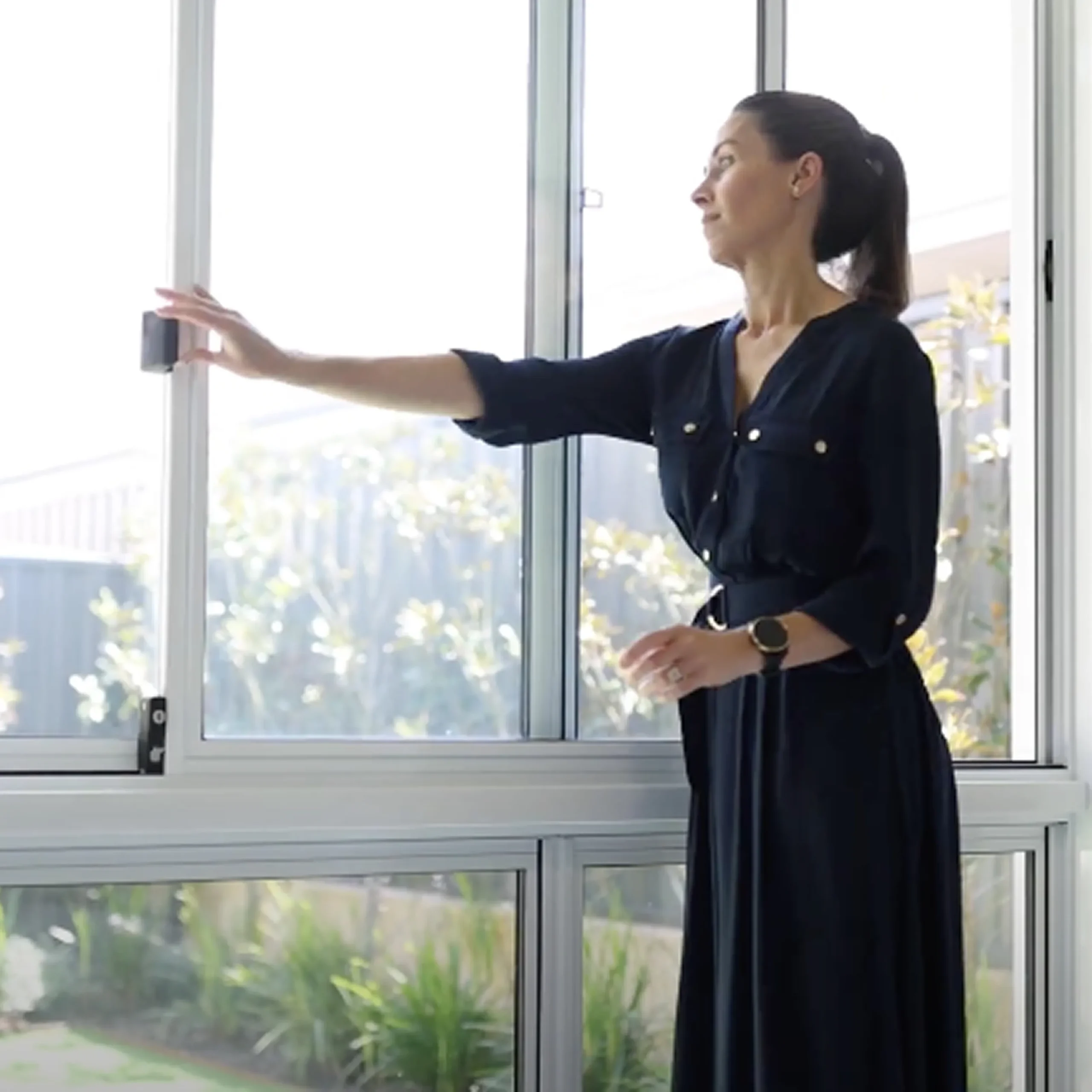
- First remove the sliding glass panel from inside.
- Press the clip on the screen frame, lift upward into head, tilt bottom outward, and remove.
- For awning windows: press two clips at top, pull forward, then lift out.
- Never remove screens from outside or with sliding panel still installed.
How do I remove screens from sliding or stacker doors?
How do I remove screens from sliding or stacker doors?
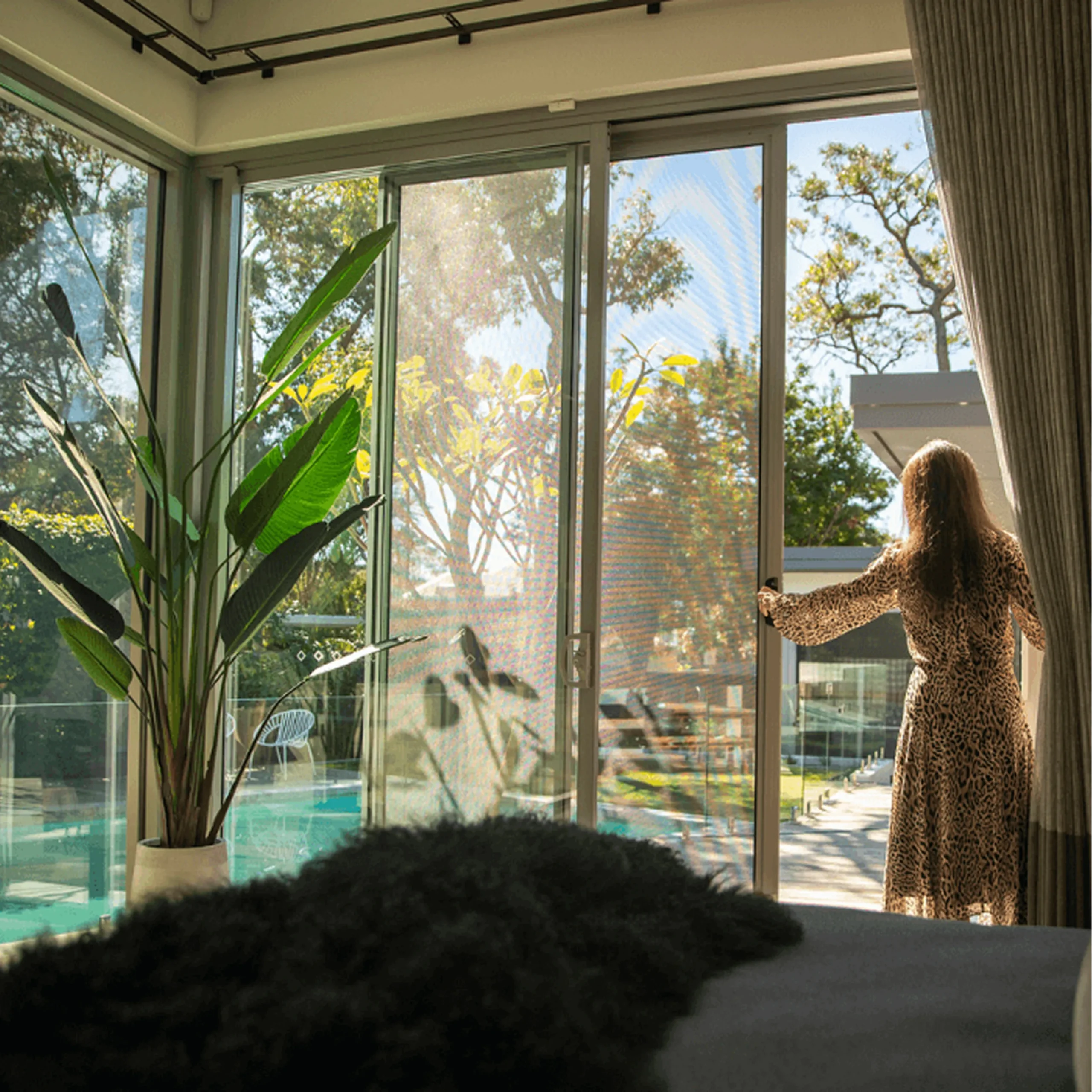
- Turn adjustment screw (bottom of screen) anti-clockwise.
- From outside, lift screen into head, tilt bottom outward, then remove.
- Reverse steps to reinstall.
- Do not remove from inside.
How do I maintain locks, handles, and hinges?
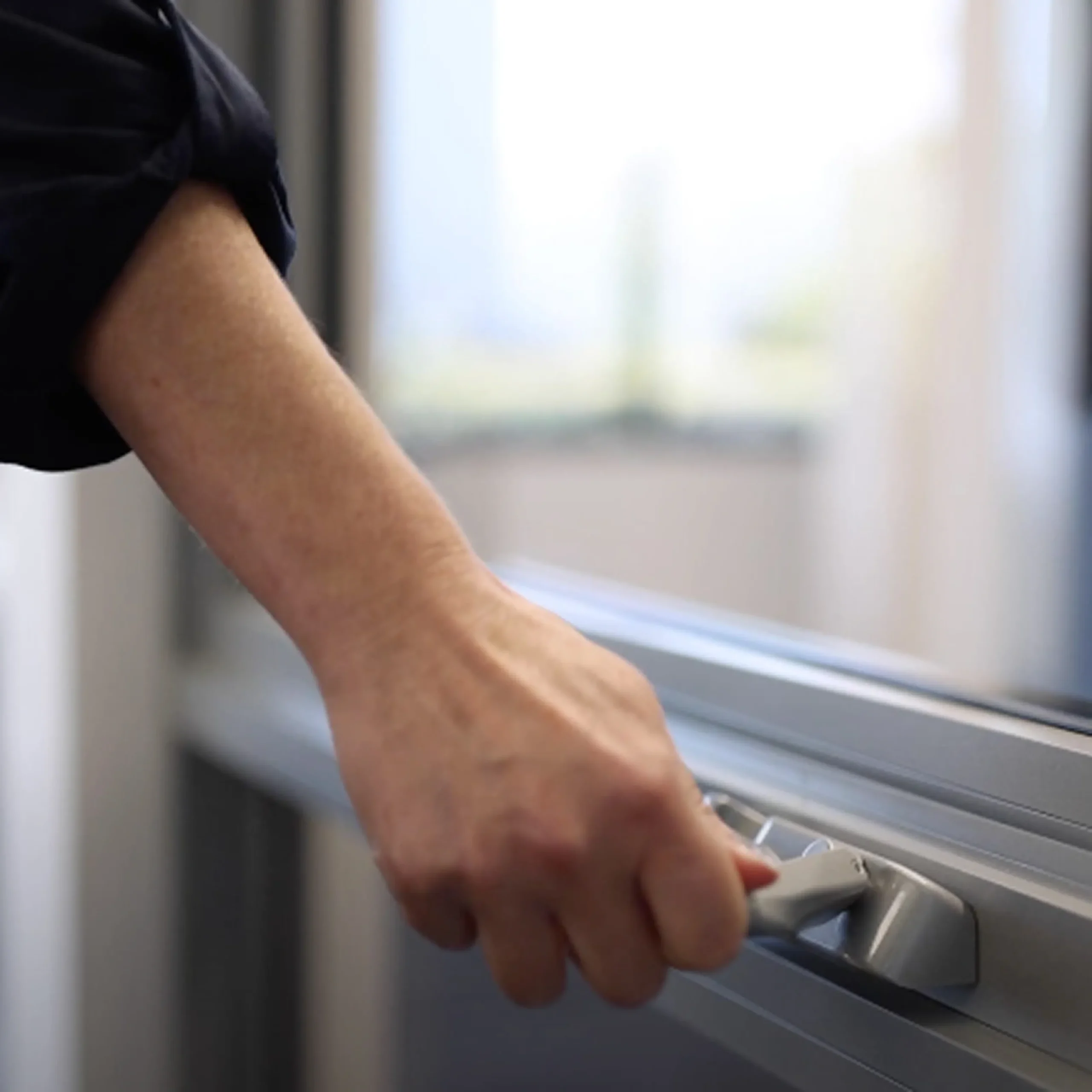
- Regular cleaning
- Wipe surfaces with a damp cloth and dry thoroughly.
- Remove salt more frequently in coastal areas.
- Lubrication
- Use graphite powder or silicone spray on moving parts.
- Avoid oil-based lubricants (they attract dust).
- Check moving parts
- Ensure screws, hinges, and mechanisms are tight and operate smoothly.
Condensation & Water Ingress
What causes window or door leaks?
What causes window or door leaks?
Harsh weather
- Heavy rain and strong winds can push water into window and door tracks faster than they can drain especially during storms.
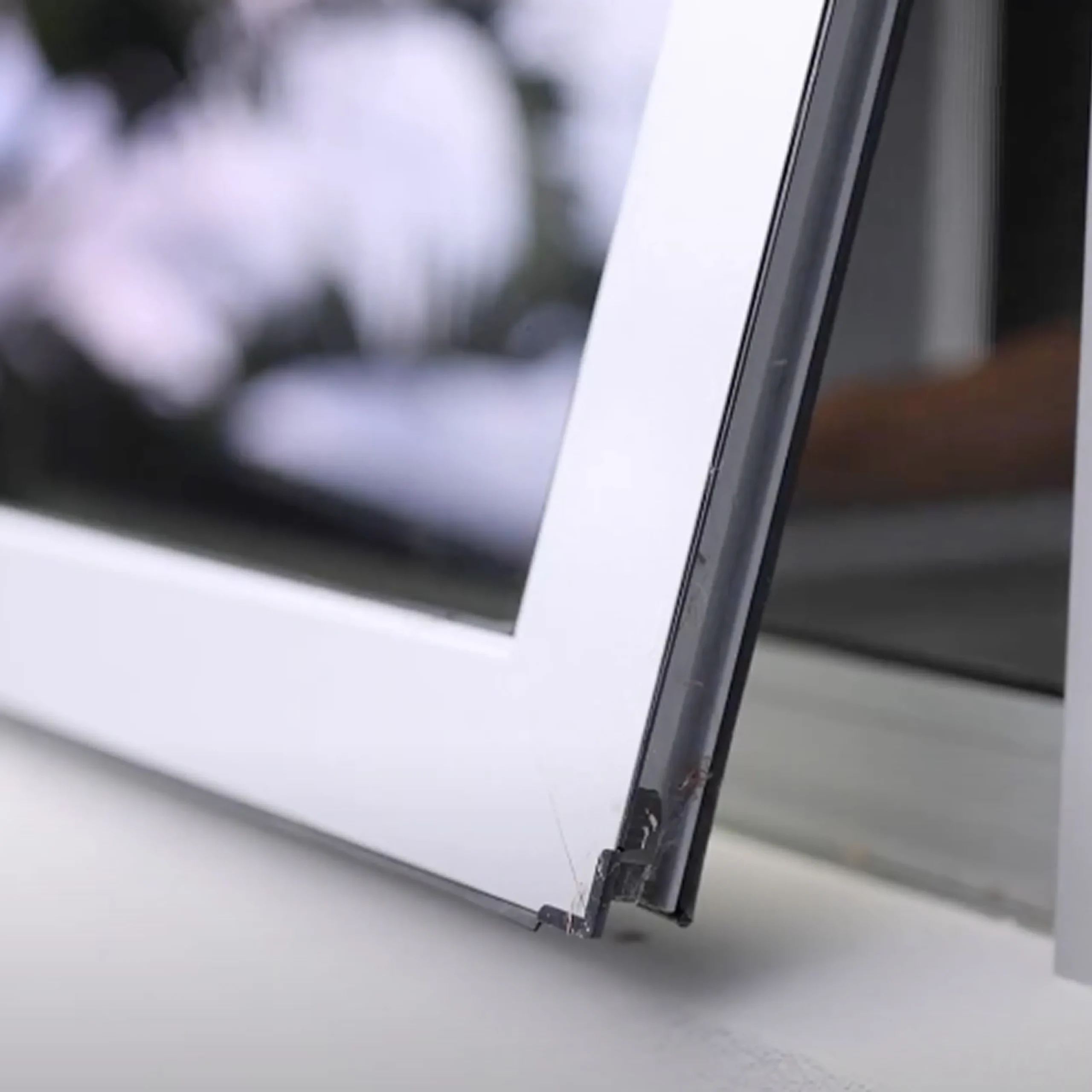
Poor cleaning and maintenance
- Blocked weep holes stop water from draining, causing water to pool, overflow, or leak inside. Regular track cleaning prevents this.
Faulty installation
- Incorrect levels, unsupported sills, or obstructions (such as tiles or flooring installed too high) can block drainage pathways.
Design flaws
- Flat fascia boards, complex window shapes, lack of overhangs, or other architectural elements can allow water to collect or run directly toward openings.
What should I check before winter?
What should I check before winter?
Clear weep holes
Remove dirt and debris from drainage openings to prevent water build-up during storms.
Inspect seals and weather stripping
Look for cracks, gaps, or worn sections that could let in cold air or moisture.
Lubricate moving parts
Apply silicone spray to hinges, rollers, and locks to keep them operating smoothly through colder months.
Monitor condensation
Persistent condensation may indicate a window seal failure. Wipe moisture away and watch for recurring issues.
How do I prepare my windows and doors for summer?
How do I prepare my windows and doors for summer?
Clean glass and frames
Remove dust, pollen, salt build-up, and grime that can damage finishes especially in coastal areas.
Check screens
Inspect mesh for tears, loose fittings, or debris. Clean with warm water and mild detergent.
Test locks and latches
Ensure all locking mechanisms work correctly for security during holiday and travel season.
Clear tracks and drainage points
Remove debris so water can drain freely during summer storms.
What causes condensation on my windows?
What causes condensation on my windows?
Between double-glazed panes
- Indicates a seal failure. Moisture becomes trapped inside and will not clear on its own. The glazing unit must be replaced.
Inside the home
- Usually caused by high indoor humidity. Moist air touches cooler glass, forming droplets. Improve airflow using exhaust fans, open windows, or a dehumidifier.
Outside the home
- Common on humid mornings or in summer when indoor air-conditioning cools the glass. This is normal and usually evaporates quickly.
Window Tinting
Can I tint my double-glazed windows or doors?
Can I tint my double-glazed windows or doors?
Approved tints only
- Only use tinting products approved by Glass Co Metro to avoid thermal stress cracks and warranty issues.
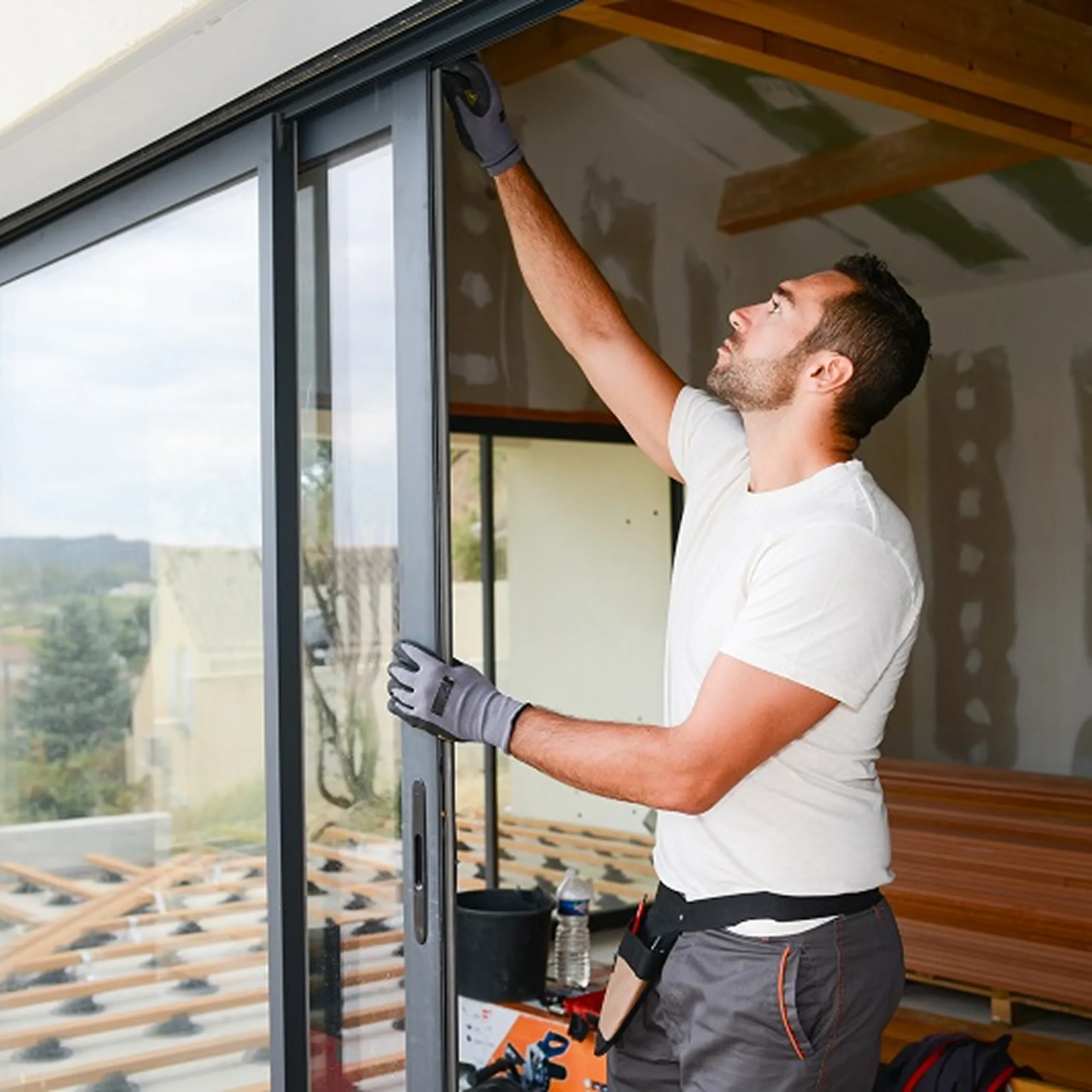
Use an approved installer
- We recommend Total Tint Solutions.
- Visit the Window Film Association of Australia & New Zealand (WFAANZ) directory.
- Other installers must be approved before work begins.
Why it matters
- Unapproved tinting can:
- Cause glass to crack
- Void your warranty
- Fail safety standards
- Reduce the performance of your glazing
Warranty
Where can I find information about my Glass Co Metro warranty period?
Where can I find information about my Glass Co Metro warranty period?
Enjoy the peace of mind that Glass Co Metro guarantees its products against defects arising from faulty workmanship or materials for six years from date of delivery or installation, subject to the conditions and limitations below.

Start Your Project
Wondering what you can achieve in your home design? Get in touch and one of our friendly experts will get back to you.
